
Indonesian coffee is traded differently than most other origins. Here are a few trade terms that also help explain why Indonesian coffee is so unique!
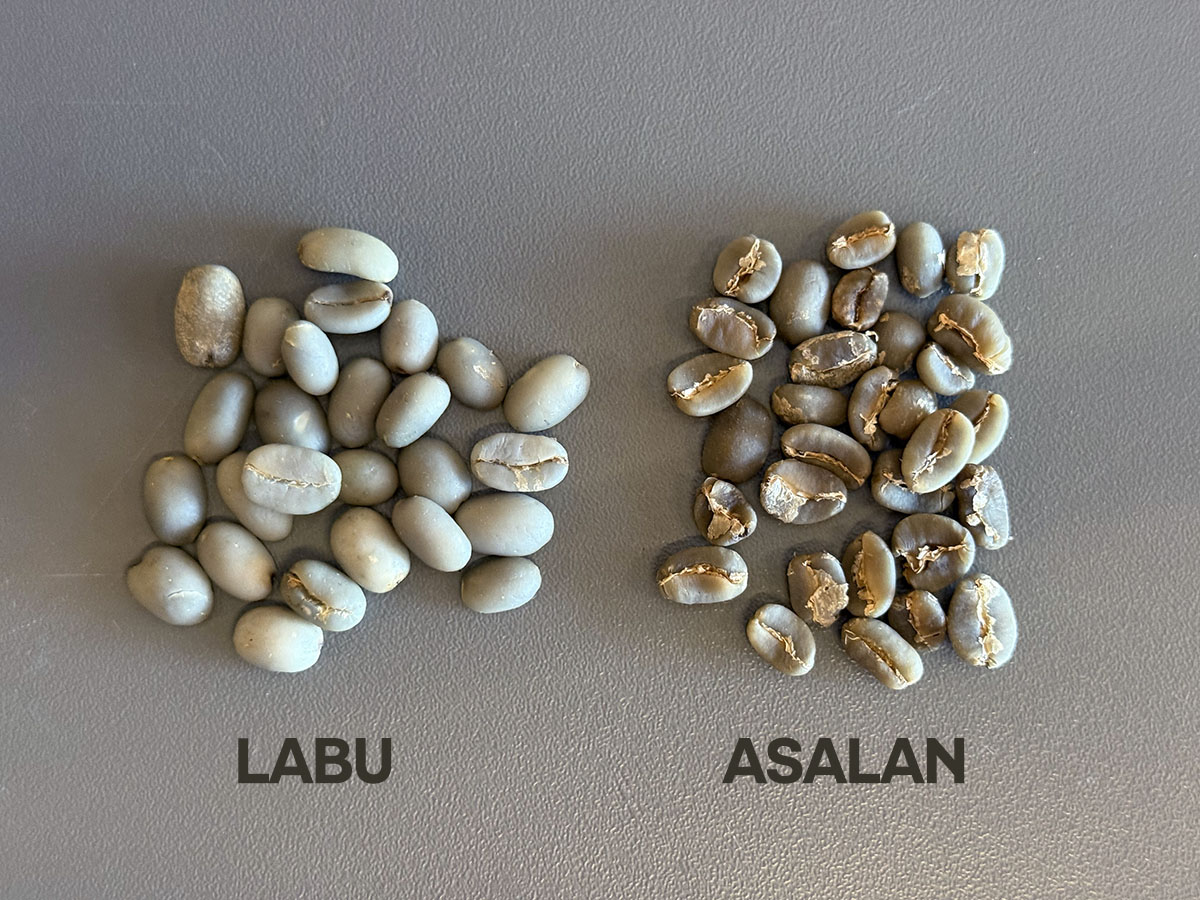
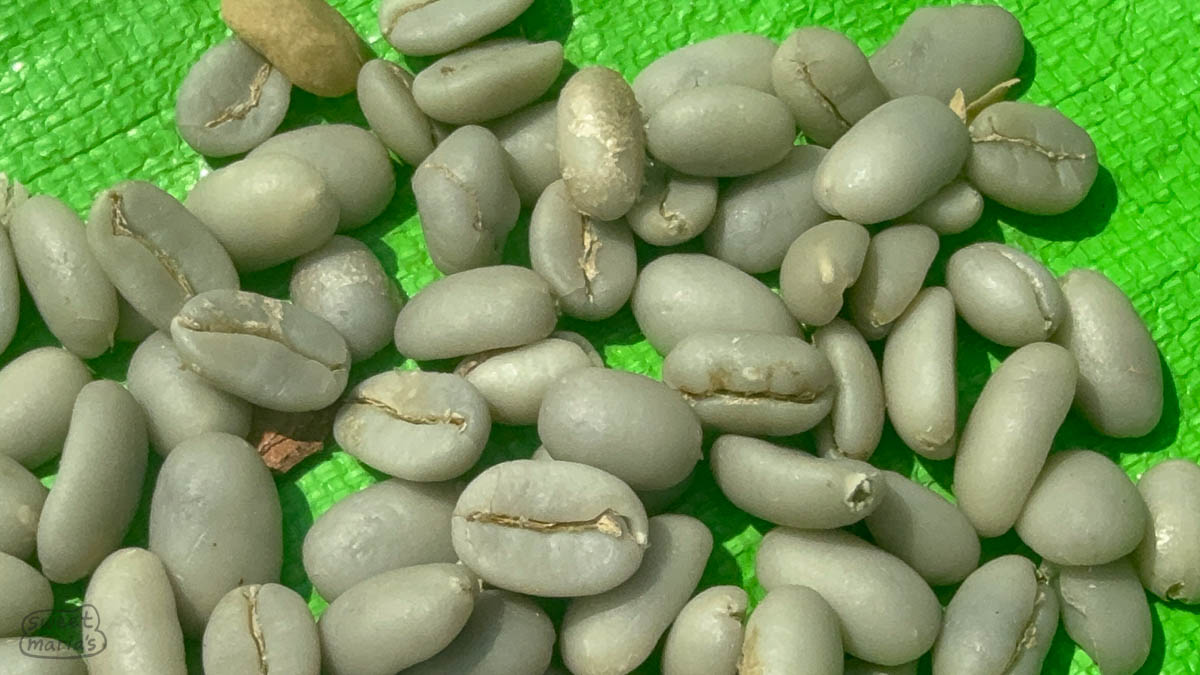
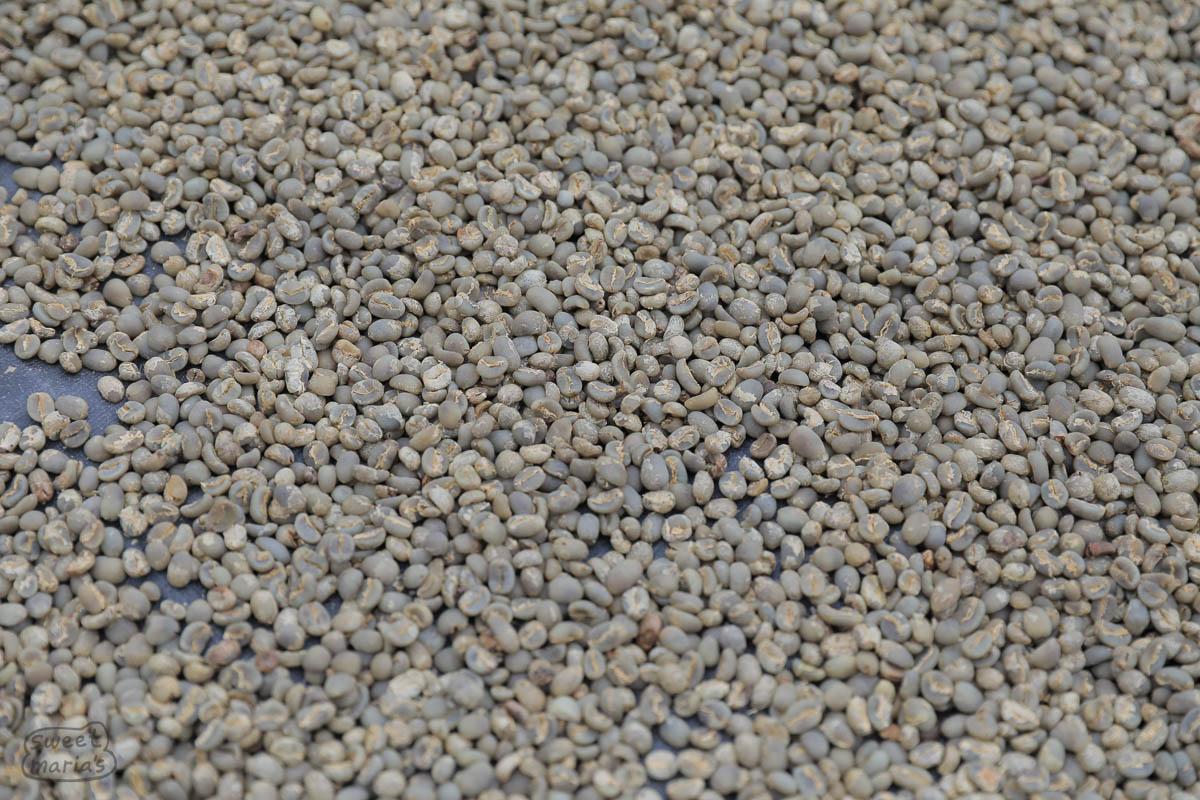
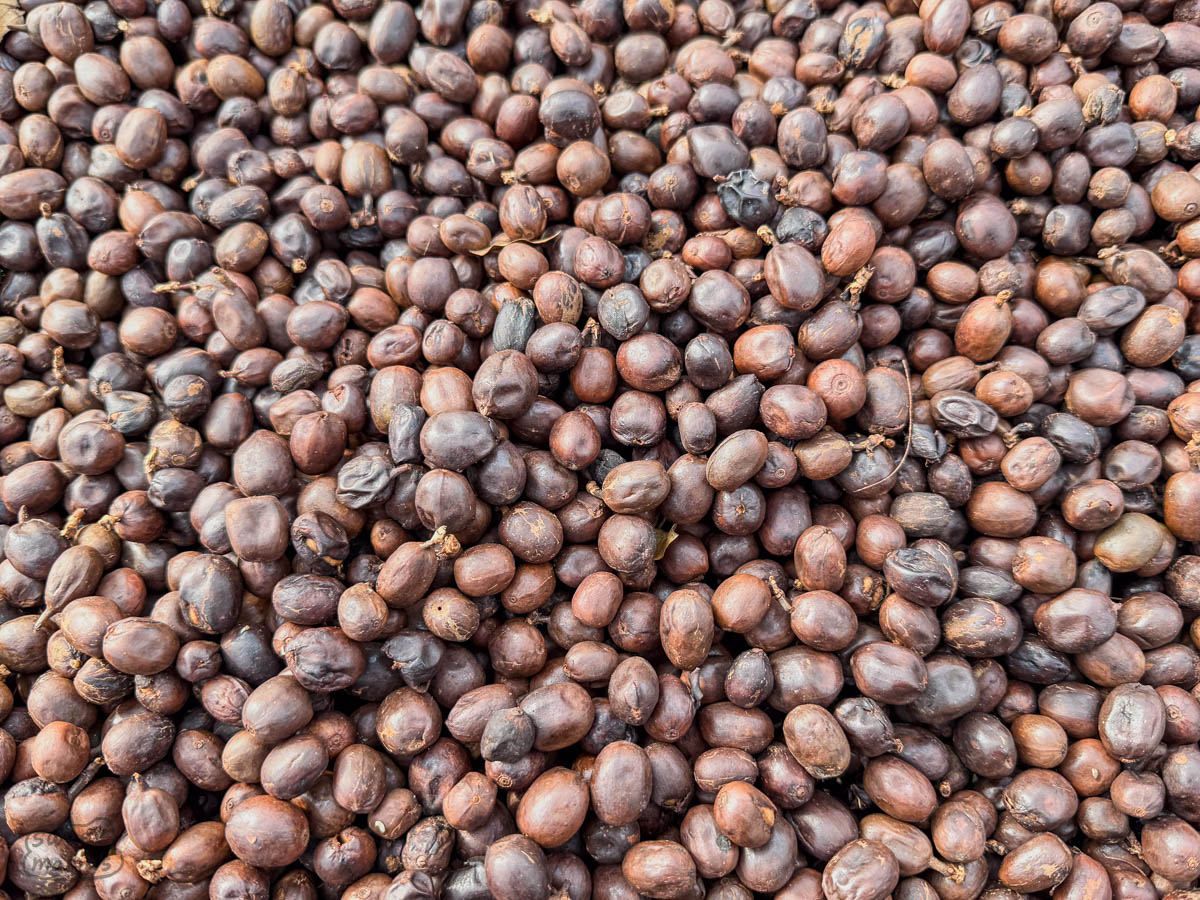
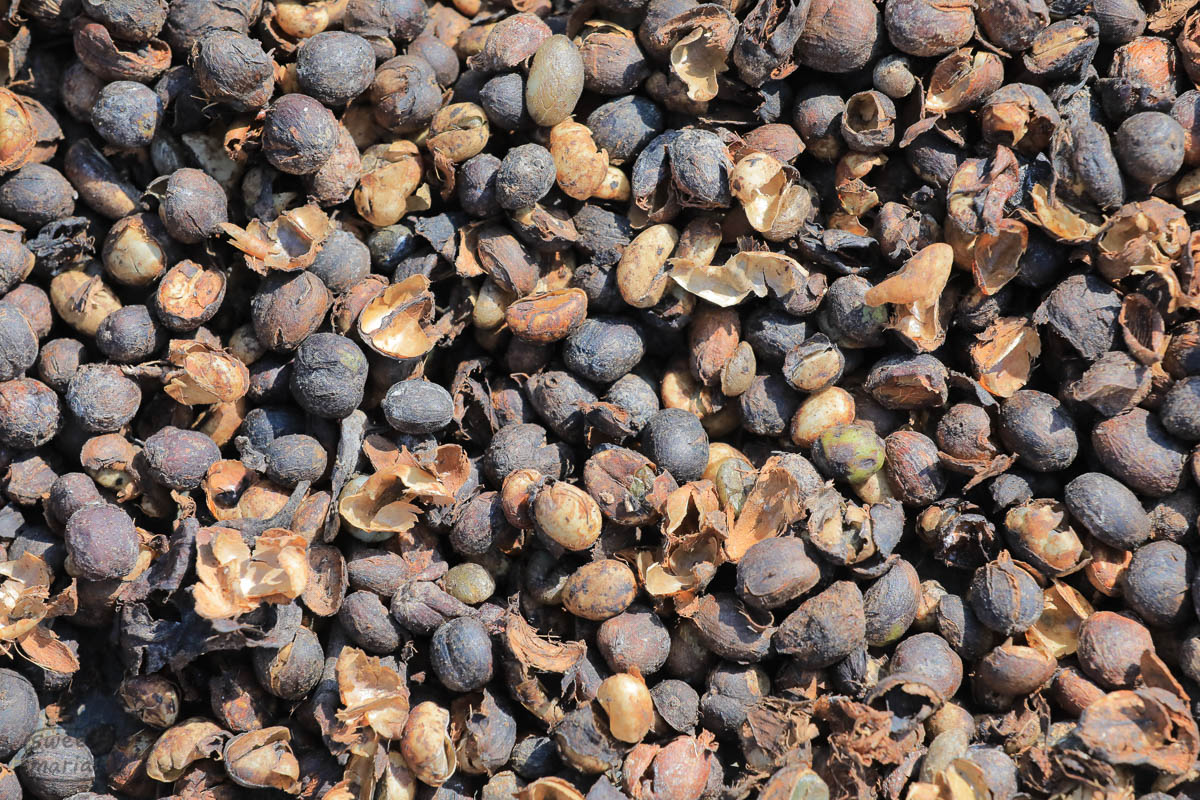
Left: Kopi LabuPumpkin coffee. The term for the soft swollen coffee bean after it is wet-hulled out of parchment in Sumatra ...more. Right: Kopi AsalanThe term in Bahasa Indonesian for green coffee that is hulled, dried, and ready to sell to an exporter. Used in North Sumatra and the Aceh coffee regions.... ...more
Wet-hulled coffee is an Indonesian thing: Removing the green bean from the parchmentGreen coffee still in its outer shell, before dry-milling, is called Parchment coffee (pergamino). In the wet process, coffee is peeled, fermented, washed and then ready for drying... ...more when the coffee is not fully dried is something specific to the Indonesian coffeeIndonesian coffee is known for its unique earthy, potent flavors. Some like it, some hate it, but it's certainly distinctive. Much of the coffee in Indonesia is processed... ...more tradition, and not normally done anywhere else in the world!
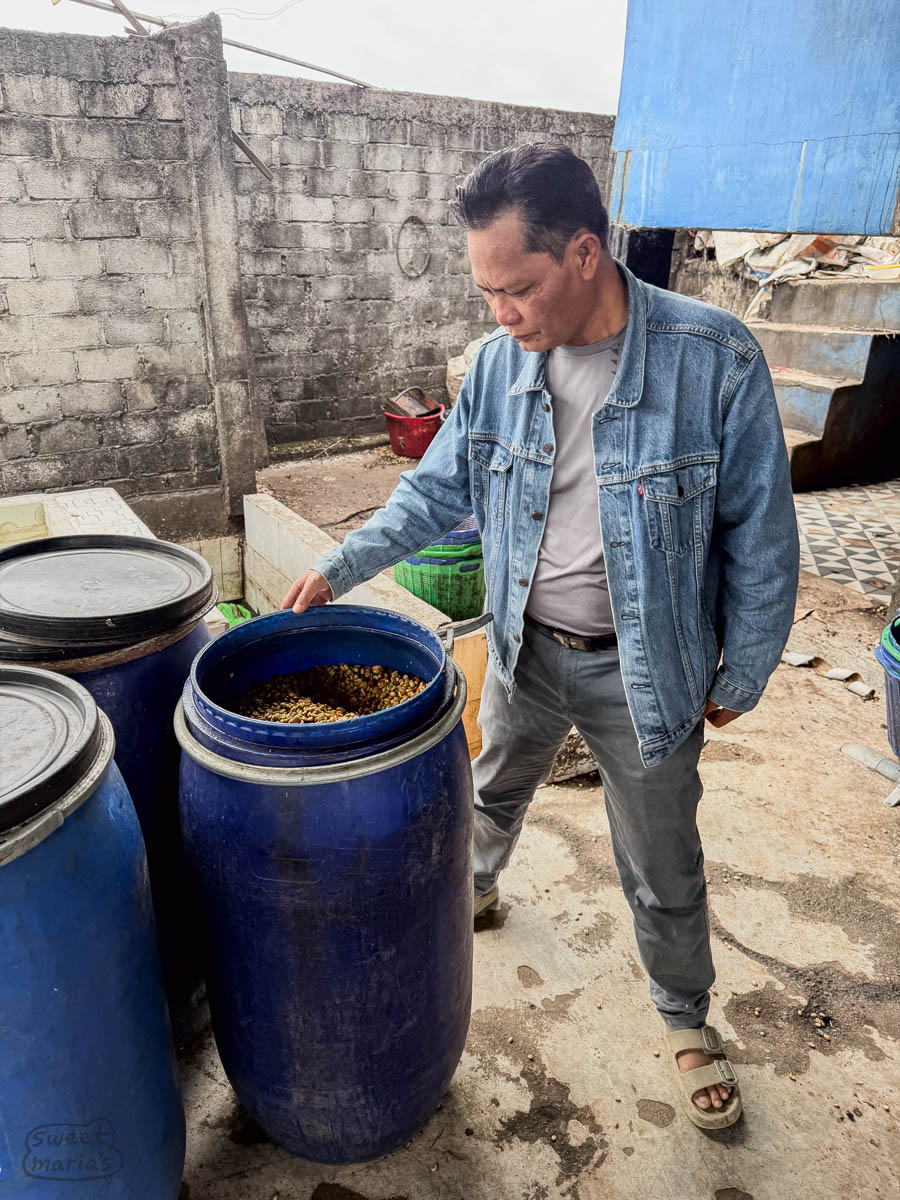
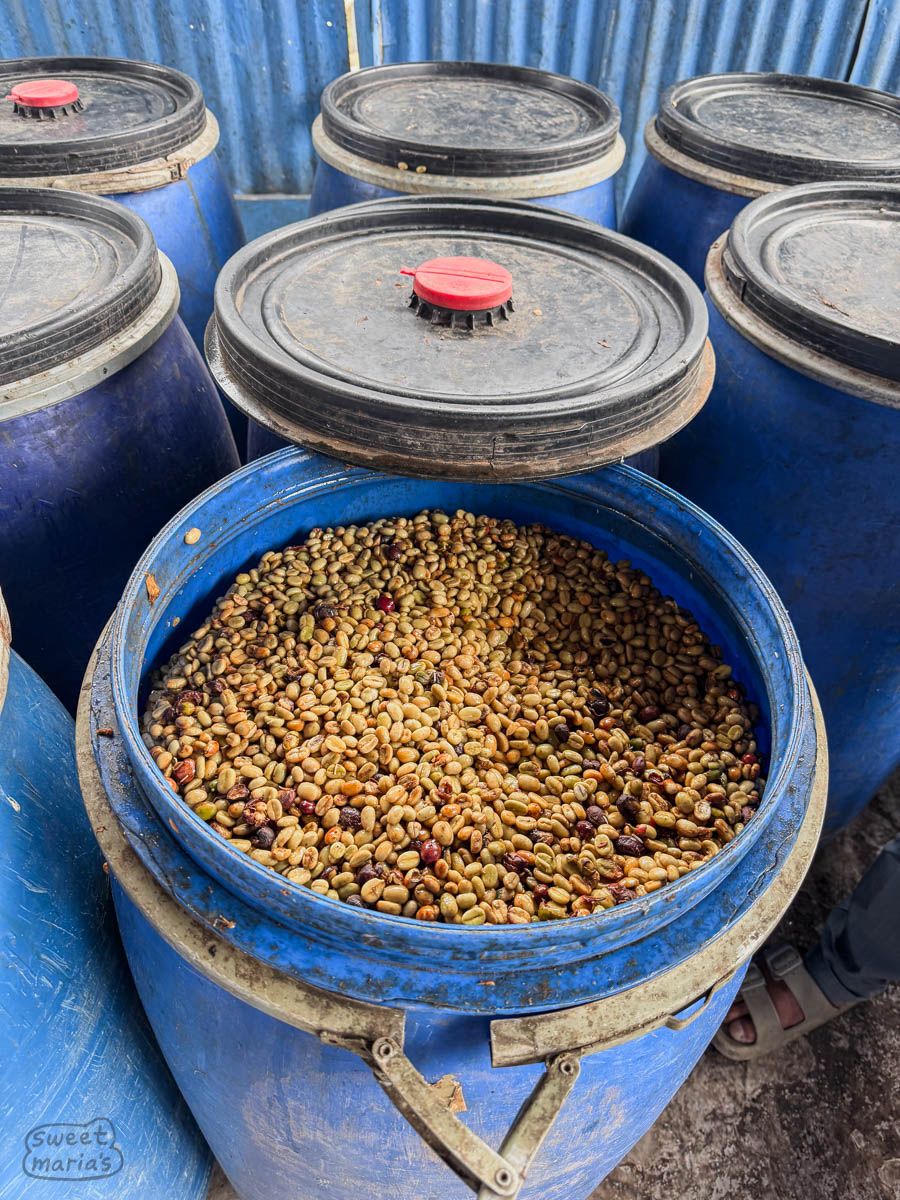
Labu is the local name for coffee right after the parchment is torn away with a friction huller. Labu means pumpkin/melon … and suits the swollen, moist green bean that comes out whitish-green. You won’t find Labu coffee anywhere but IndonesiaUSDA is (obviously) the United States Department of Agriculture. USDA also had coffee plant breeding programs in the past and one variety they distributed to Indonesia and was... ...more (unless someone is aping Indo coffee processingThe removal of the cherry and parchment from the coffee seed.: Coffee is either wet-processed (also called washed or wet-milled) or dry-processed (also called wild, natural or natural... ...more)! Labu is generally 20 to 22% moisture content.
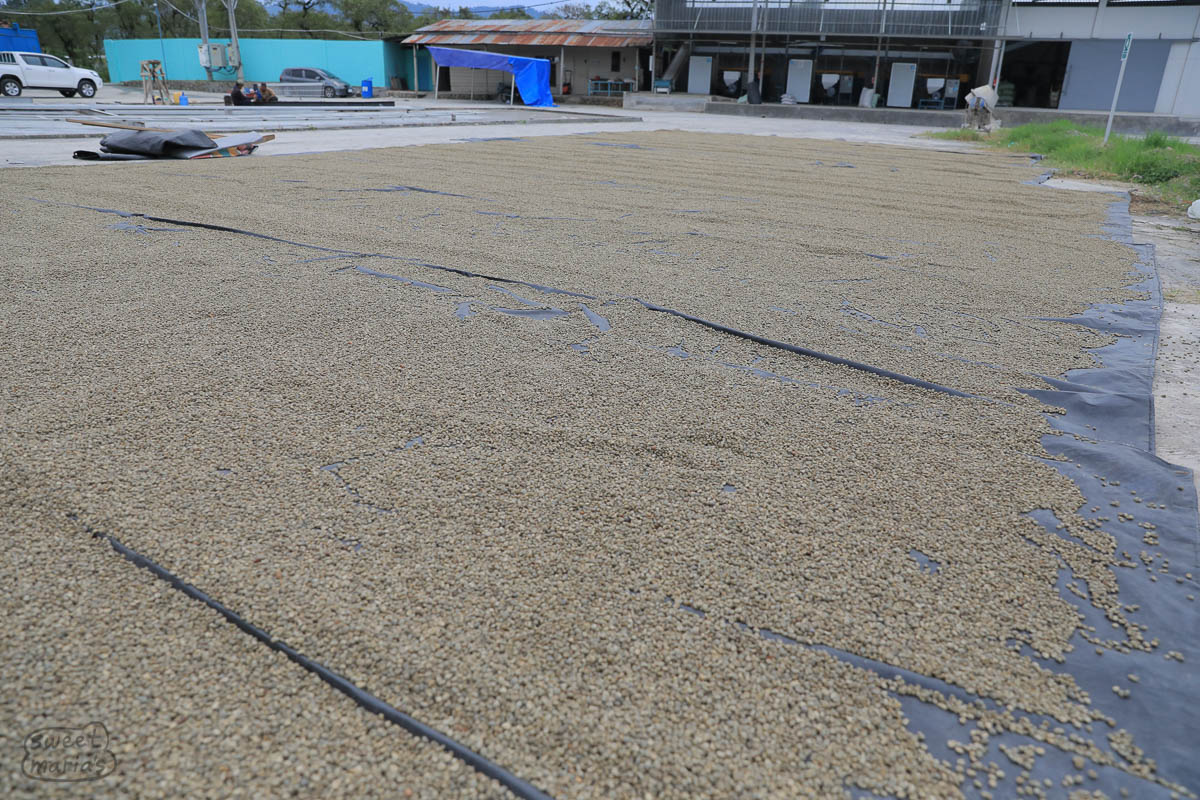
Asalan is the Indonesian name for the same coffee that was once Labu, but after it’s patio-dried down to 10.5 or 11% moisture and (technically) ready to export, often in just a few days.
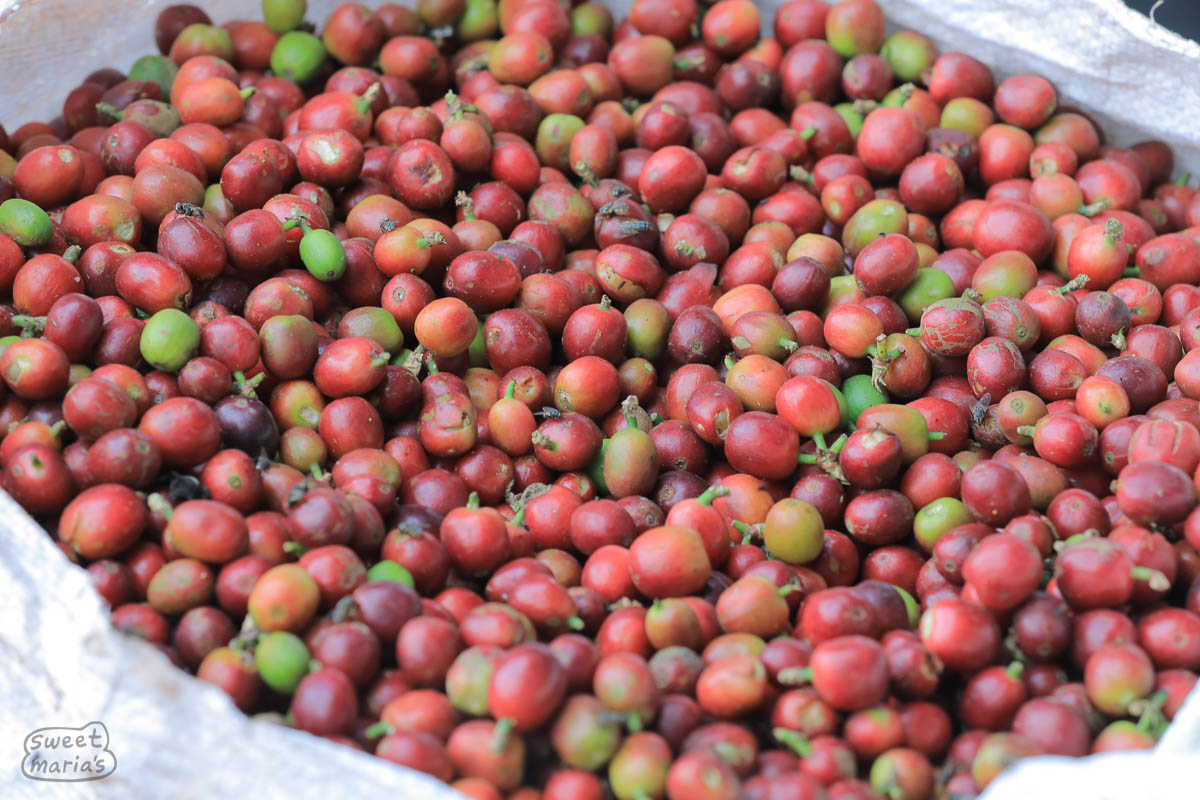
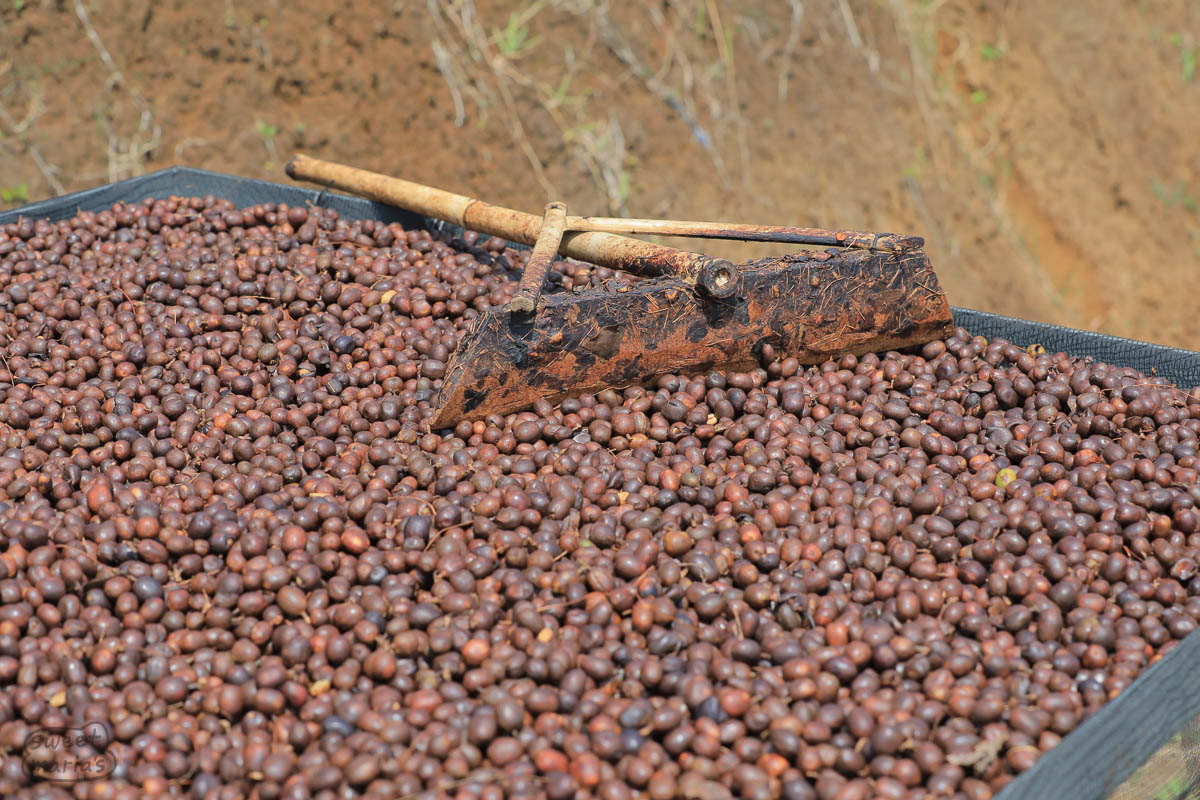
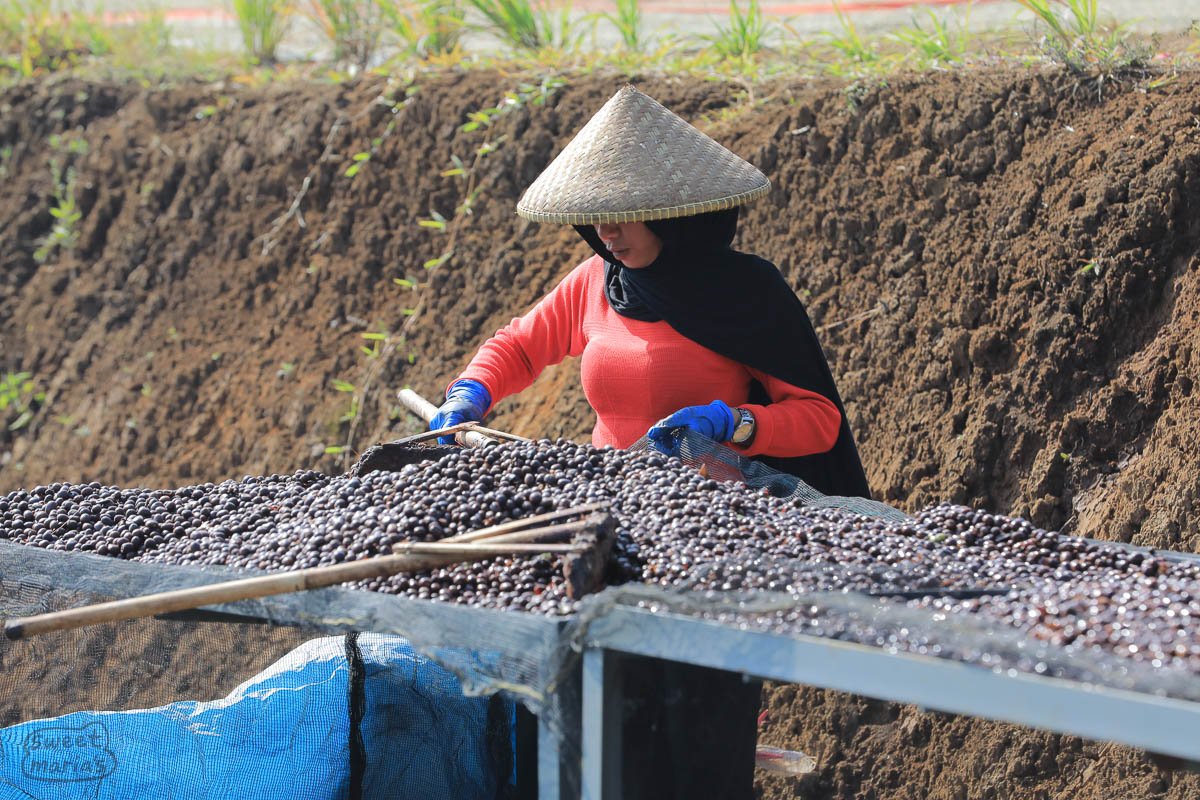
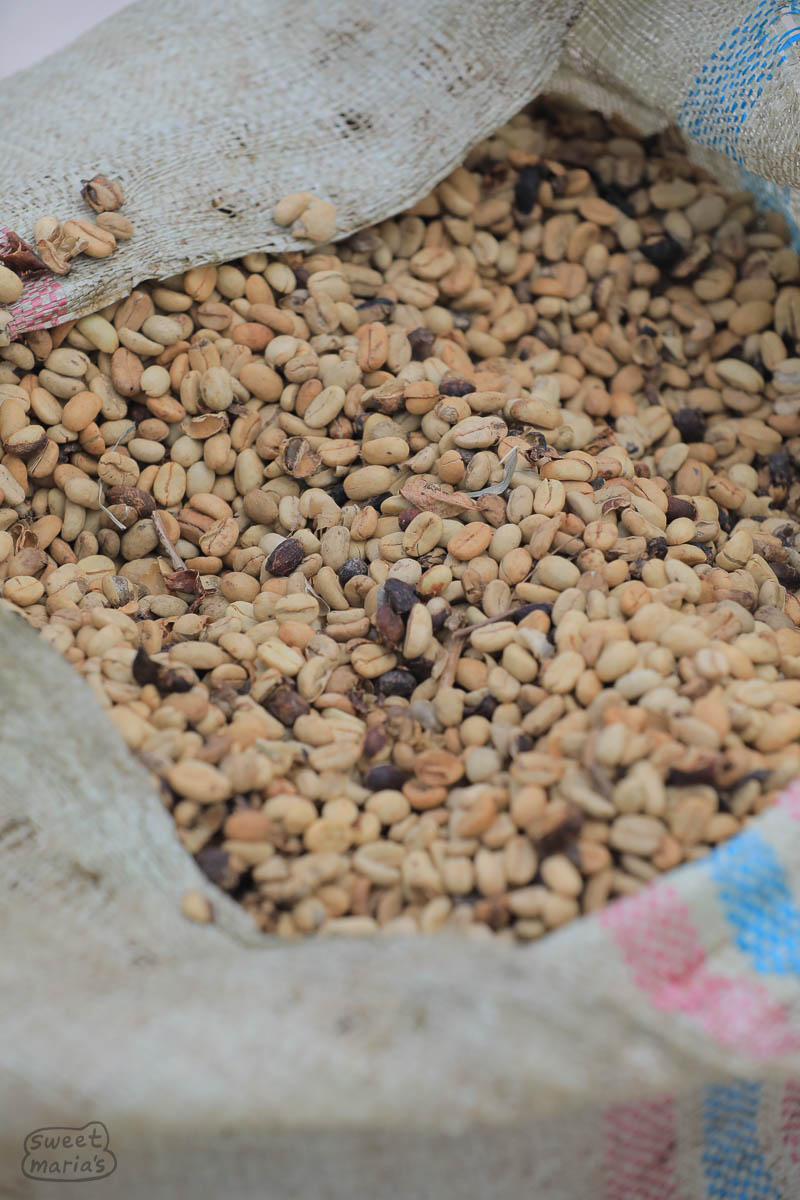
Before coffee is hulled at all, it is called GabahIn Sumatra, the term in Bahasa Indonesian for coffee that is barely dried after pulping and fermenting (or not), and ready to sell to a collector.: In Sumatra,... ...more. It is partially dried but still in the parchment. Coffee moves among local traders, or coffee collectors, either as fresh-picked cherryEither a flavor in the coffee, or referring to the fruit of the coffee tree, which somewhat resembles a red cherry.: Either a flavor in the coffee, or... ...more, as Gabah, or as unsorted-but-dried Asalan. Here is what rough, unsorted Gabah looks like in an Indonesian market (Lintong, SumatraIndonesians are available as a unique wet-hulled or dry-hulled (washed) coffees. Giling Basah is the name for the wet-hulling process in Bahasa language, and will have more body... ...more).
Changes in Indonesian Coffee Trading
Increasingly, traders are becoming interersted in buying coffee cherryOriginally coffee literature referred to the fruit of the tree as a "berry" but in time it became a cherry. It is of course neither. Nor is the... ...more from farmers, so they can better control the final quality. Historically much of the trade was in Asalan, which a collector could trade directly to an exporter in Medan, Sumatra. Asalan was usually not highly sorted for defects, meaning the importer could take a lot of cost (and loss) if the Asalan was in bad condition.
Among collectors, there was a robust trade in wet parchment too, Gabah. Farmers would get less money for Gabah since it could be traded quickly, requiring the least processing and time. But the trade in Gabah didn’t really inspire anyone, farmer, collector or exporter, to really work on quality. It was really a commodity trade.
Since I just returned from Indonesia this week, traveling in North Sumatra through AcehThe northernmost district in SumatraL Aceh District is north of North Sumatra and produces some very classic Sumatra coffees. The center of coffee in Aceh is Lake Tawar... ...more as well as Lintong, and also in West JavaThere are several types of Abyssinia variety coffee, but they are not from Ethiopia but rather Indonesia. Abyssinia 3 = AB3. PJS Cramer, a Dutch plant researcher, introduced this variety... ...more, these terms are fresh on my mind. But understanding how coffee changes hands in Indonesia is more complicated than just understanding the terms.
Coffee changes hands often, is consolidated and re-sold on its way to market or to Medan, the main coffee trading port. That means that a coffee’s true originIn coffee talk, it refers to a coffee-producing region or country; such as, "I was just at origin." Of course "Origin" for most product we use is not... ...more is obscured, and the trade is rife with “wishful thinking” or outright deception.
- Wondering why you haven’t seen a BaliCoffee from the Indonesian island of Bali was formerly sold mainly to the Japanese market. Perhaps it is the changing face of world economics that finds the first... ...more coffee (especially wet-hulled Bali) on Sweet Maria’s lately? Because its not from Bali, that’s why.
- Wondering about the limited amounts of Toraja coffee from SulawesiSulawesi coffees are low-acid with great body and that deep, brooding cup profile akin to Sumatra. The coffee is sometimes known as Celebes, which was the Dutch colonial... ...more? Because it is likely mixed with low-grown coffee from Manipi in the south.
- Lintong not having that green herbalA flavor descriptor in coffee reminiscent of herbs, usually meaning aromatic, savory, leafy dried herbs. Usually, more specific descriptions are given, whether is is a floral herb, or... ...more flavor? Because the price is cheaper in West Java so the coffee comes into Lintong by the truckload and via ferry from there…
None of this is surprising, and frankly I don’t hold it against anyone for trying to squeeze a few extra cents out of the coffee trade. They truly need any extra margin they can get on the local level in Indonesia: They aren’t living opulent lives collecting and trading coffee (well, maybe big exporters in Medan but I am referring to small collectors). But for Sweet Maria’s, we only buy coffee we can verify directly the source by visiting farmers, washing stations and mills, or working through suppliers we know and trust.
More Coffee Material from My Trip June 2026
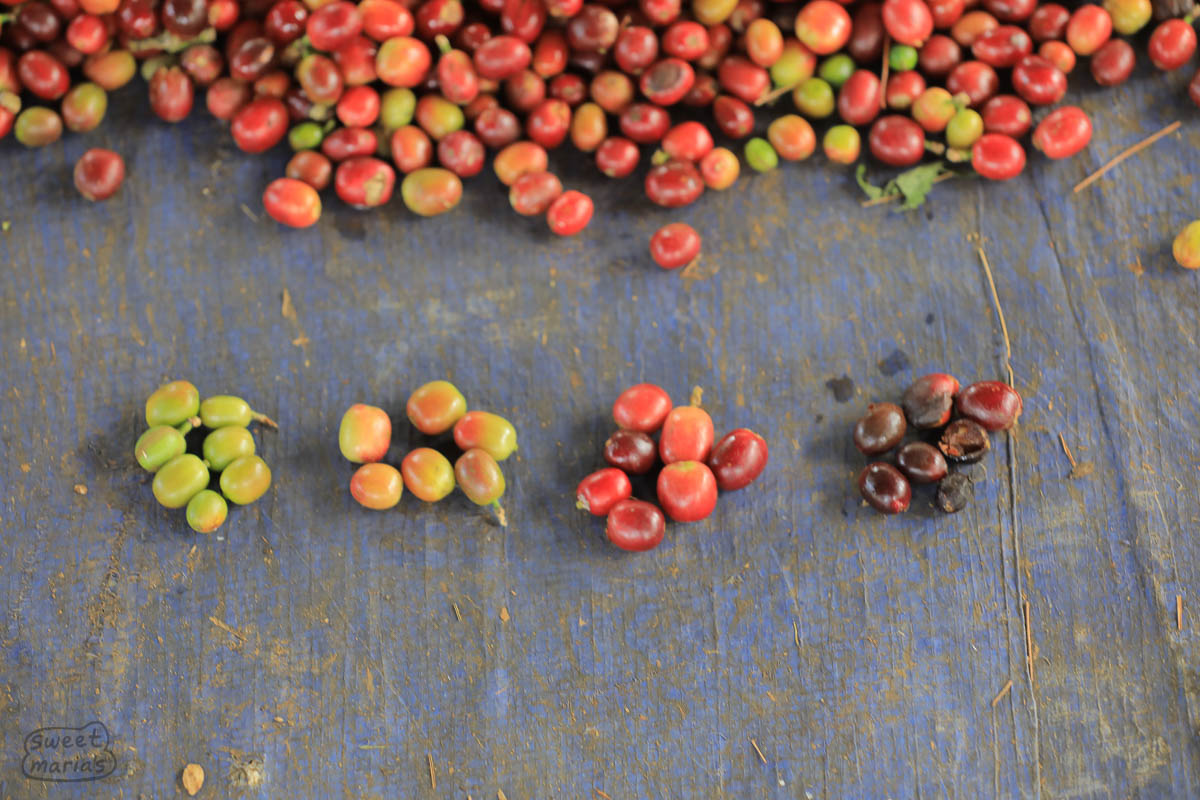
This gallery visually explains a bit more about coffee in various stages in Indonesia: