Drying Coffee
After coffee is picked, it must be dried. In both dry-process and wet-process (and the other hybrid processes like pulp


After coffee is picked, it must be dried. In both dry-process and wet-process (and the other hybrid processes like pulp
A classic espresso group-head design, originally invented by Faema and used on a variety of machines. The E61 is easily
Earthy is a flavor term with some ambivalence, used positively in some cases, negatively in others.: Sumatra coffees can have
Ecuador has everything it takes to grow great coffee. Positioned between Colombia and Peru, the interior mountain ranges have plenty
A combined mouthfeel and flavor sensation, hinting at a dynamic and lively cup: While coffee is not a carbonated beverage,
El Salvador coffee had an undeservingly poor reputation for years, marred mostly by the inability to deliver coffee of high
In coffee, “emulsion” typically refers to the suspension of coffee oils in water. While brewed coffee is primarily an extraction,
A term applied to thermodynamic reactions, referring to one that absorbs heat. Most parts of the coffee roasting process are
The temperature of the roasting environment determines the specific types of chemical reactions that occur. There is a window of
Erna is known as the first dedicated “Specialty Coffee” importers/brokers in the US … in fact she coined the term
Erpsig is German for pea-like; cooked bean, pea, or lentil sensation. It is called Peasy, but related to earthy, mushroom,
A small coffee beverage, about 20 ml, prepared on an espresso machine where pressurized hot water extracted through compressed coffee.:
A “coffee estate” is used to imply a farm that has its own processing facility, a wet-mill. In Spanish this
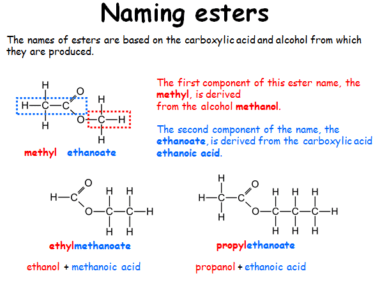
An ester is an often fragrant organic or partially organic compound formed by the reaction between an acid (including amino
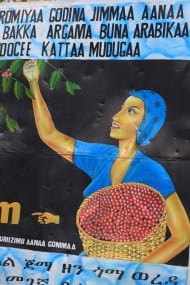
Ethiopia is the birthplace of coffee: it is in the forests of the Kaffa region that coffee arabica grew wild.
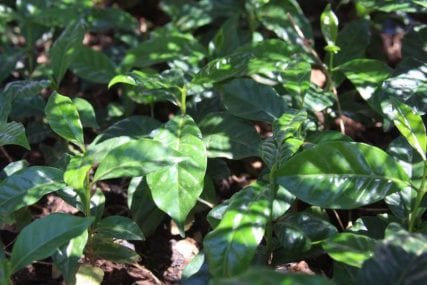
Ethiopia and the Boma Plateau of Sudan are the origin of Coffea Arabica. There are many local named varieties that
A chemical decaffeination process, but one using a mild type with low toxicity. It sometimes imparts fruity flavors to the
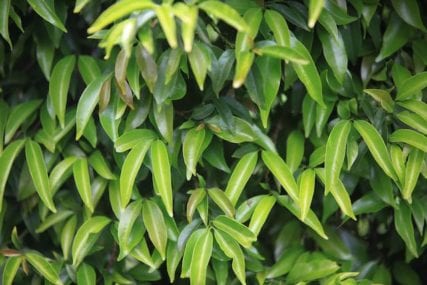
The botanical genus and species name for Eugenioides coffee, otherwise written as Coffea eugenioides is one of the “parents” of
European Preparation indicates that additional hand sorting has been performed on the coffee at the mill after optical sorting. The
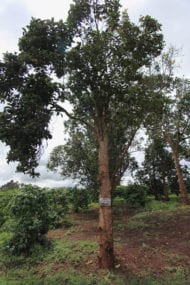
Coffea Excelsa is a distinct Species in the Genus Coffea, and has Robusta-like form. It can be confused with Robusta
A Colombian coffee grade referring to screen size of 15-16. In the traditional bulk Arabica business, Excelso is a step
A term applied to thermal reactions, referring to one that releases energy. A classic example is burning. Most parts of
Refers to the process of infusing coffee with hot water. Hot water releases or “extracts” the flavor from the roasted,
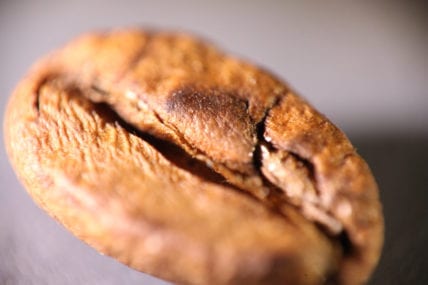
Facing can mean turning toward, standing up to, being brave. But in coffee roasting though, it means scorching a roast.:
A general characterization that cup flavors are diminishing in quality due to age of the green coffee, and loss of
Fair trade is an organized social movement and market-based approach to empowering developing country producers and promoting sustainability.: Fair trade
A fanega is a measure of coffee used in some Latin America countries. It is equal to 250 kilograms of
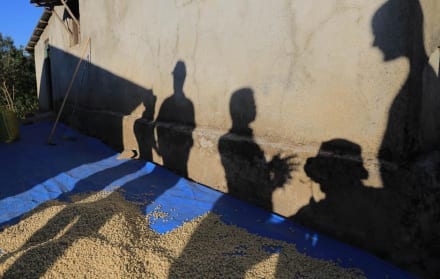
Farm Gate Coffee is the name we give to our direct trade coffee buying program. Farm Gate pricing means that
Fazenda is the Portuguese word for farm, hence it is the term used in Brazil. Fazenda is not a coffee-specific
As an aroma or flavor in coffee, ferment is a defect taste, resulting from bad processing or other factors. Ferment